
STU (Shock Transmission Unit) Manufacturer In North East India
15 May 2026
STU (Shock Transmission Unit) Manufacturer In North East India
North East India is one of the most seismically active regions in the country, making earthquake-resistant infrastructure a major priority for engineers, contractors, and government authorities. States such as Assam, Meghalaya, Manipur, Mizoram, Nagaland, Tripura, Arunachal Pradesh, and Sikkim frequently experience seismic activity due to their proximity to major tectonic fault zones. As a result, infrastructure projects in this region require advanced seismic protection systems capable of handling dynamic loads and earthquake forces.
One of the most effective solutions used in modern infrastructure projects is the Shock Transmission Unit (STU). A reliable STU manufacturer in North East India plays a crucial role in delivering high-performance seismic protection systems for bridges, highways, railway corridors, industrial facilities, and heavy structures operating in earthquake-prone environments.
Understanding Shock Transmission Units (STUs)
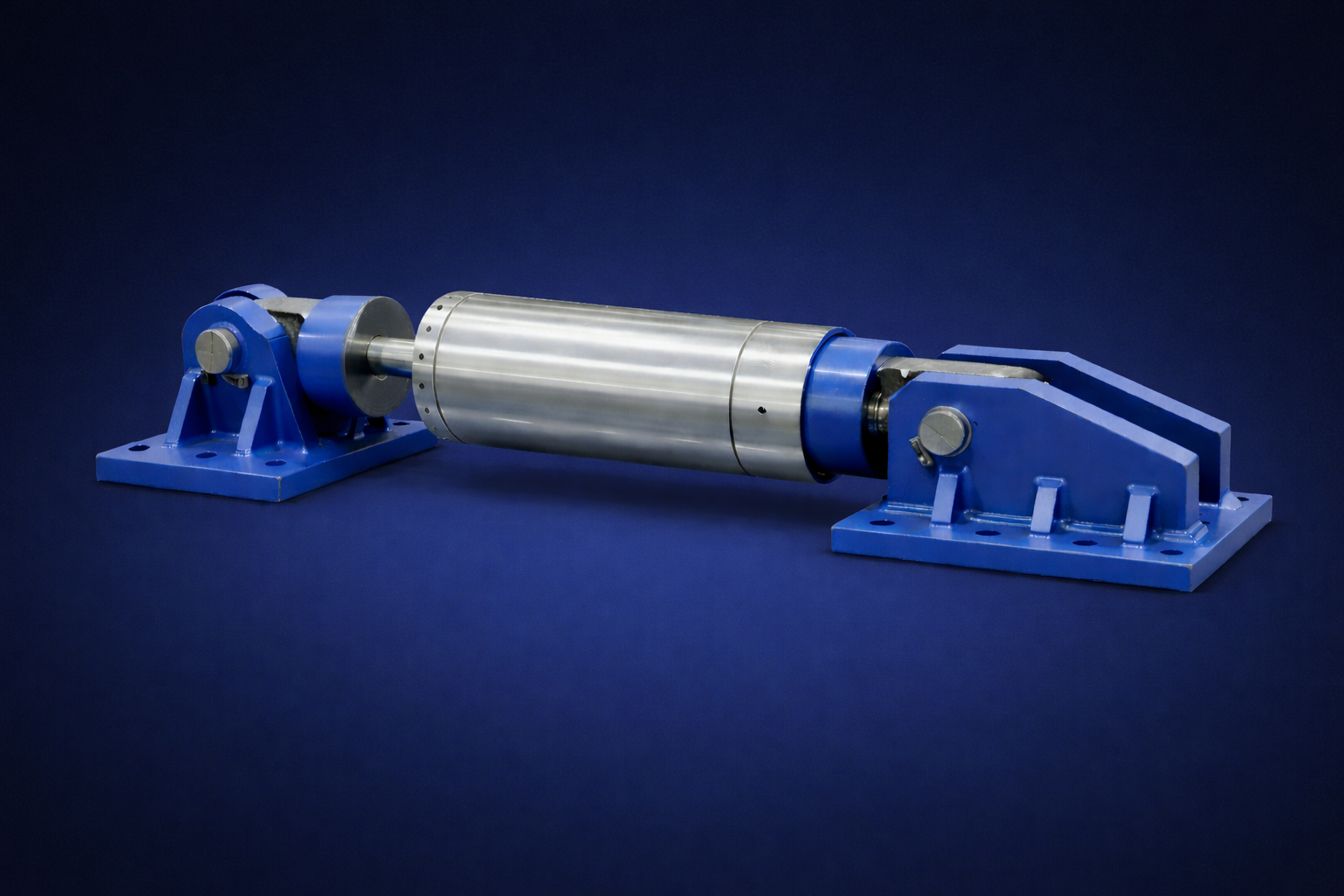
A Shock Transmission Unit (STU) is a hydraulic device designed to transfer sudden dynamic loads between structural elements while allowing slow thermal movement under normal conditions. During earthquakes, heavy braking, or sudden impact forces, the STU instantly locks and restricts rapid structural displacement, helping maintain structural stability and safety.
Under regular temperature changes and slow movement, the unit remains flexible and permits controlled expansion and contraction. This unique working mechanism makes STUs highly effective for seismic protection applications in critical infrastructure projects.
Shock Transmission Units are widely used in:
- Bridges and flyovers
- Railway bridges and metro corridors
- Industrial plants and heavy structures
- Highway and expressway projects
- Power plants and pipeline systems
Importance of STUs in North East India
The North Eastern region falls under high seismic zones according to Indian seismic classification standards. Infrastructure in this area is continuously exposed to earthquake risks, landslides, soil instability, and heavy rainfall conditions.
Without proper seismic protection systems, bridges and structures may experience:
- Excessive structural displacement
- Cracks in supports and foundations
- Bearing failures
- Misalignment of bridge spans
- Structural fatigue and collapse
Shock Transmission Units help reduce these risks by improving load distribution and controlling sudden movement during seismic events.
For infrastructure projects in North East India, STUs are especially important because they:
- Improve earthquake resistance
- Enhance structural stability
- Reduce stress concentrations
- Increase bridge and infrastructure lifespan
- Minimize maintenance and repair costs
- Improve public safety during seismic activity
How Shock Transmission Units Work
Shock Transmission Units operate using hydraulic resistance technology. The device contains hydraulic fluid and piston mechanisms that respond differently to slow and sudden movements.
During Normal Movement
When structures expand or contract slowly due to temperature changes, the hydraulic fluid moves gradually inside the unit. This allows free structural movement without generating excessive stress.
During Sudden Dynamic Loads
When an earthquake or sudden impact occurs, the fluid stiffens instantly and restricts piston movement. This temporary locking action creates a rigid connection between structural components and prevents excessive displacement.
This technology helps infrastructure withstand powerful seismic forces while maintaining structural integrity.
Applications of STUs in North East Infrastructure Projects
Bridges and Flyovers
North East India contains numerous bridge structures across rivers, valleys, and hilly terrain. STUs help stabilize bridge spans during earthquakes and traffic-induced forces.
Railway and Metro Projects
Railway infrastructure requires vibration control and movement management systems to ensure operational safety and long-term durability.
National Highways and Expressways
Major highway projects in seismic regions require advanced protection systems to improve structural performance during earthquakes.
Industrial and Power Projects
Industrial facilities and hydroelectric projects in the region use STUs to protect pipelines, heavy equipment, and structural supports from shock loads.
Retrofitting Existing Structures
Older bridges and infrastructure can be upgraded using Shock Transmission Units to improve seismic performance and comply with modern safety standards.
Features of High-Quality Shock Transmission Units
A trusted STU manufacturer in North East India focuses on delivering durable, high-performance products designed for challenging environmental and seismic conditions.
Key features include:
High Dynamic Load Capacity
Designed to handle powerful earthquake and impact forces.
Corrosion Resistance
Special protective coatings ensure durability in humid and high-rainfall environments common in North East India.
Precision Hydraulic Engineering
Advanced hydraulic systems provide accurate response during sudden movement.
Long Service Life
Manufactured using high-quality materials for reliable long-term performance.
Low Maintenance Requirements
Engineered for efficient operation with minimal maintenance.
Role of STUs in Earthquake-Resistant Infrastructure
Earthquake-resistant infrastructure depends on the ability to absorb, transfer, and control seismic energy effectively. Shock Transmission Units are essential components of modern seismic engineering systems because they improve structural resilience without restricting normal structural movement.
STUs are often used together with:
- Expansion joints
- Structural bearings
- Seismic dampers
- Base isolation systems
- Vibration control devices
This integrated approach helps engineers design safer and more durable infrastructure in earthquake-prone regions.
Choosing the Right STU Manufacturer in North East India
Selecting a reliable manufacturer is essential for ensuring infrastructure safety and long-term project performance. A professional STU manufacturer should provide:
- Advanced engineering expertise
- Custom design capabilities
- Strict quality control and testing
- Compliance with Indian and international standards
- Technical support and installation guidance
- Proven experience in seismic infrastructure projects
Manufacturers with experience in bridge engineering and earthquake protection systems are better equipped to provide customized solutions for the unique challenges of North East India.
Conclusion
As infrastructure development continues across North East India, the demand for advanced seismic protection systems is increasing rapidly. Earthquake-prone conditions in the region make it essential to use reliable structural safety technologies capable of handling dynamic loads and seismic forces.
Shock Transmission Units (STUs) provide an effective solution for improving structural stability, reducing sudden displacement, and enhancing earthquake resistance in bridges, highways, railway systems, and industrial structures.
A trusted STU manufacturer in North East India plays a vital role in supporting safe and resilient infrastructure development by delivering high-quality seismic protection systems designed for demanding conditions. With advanced engineering, precision manufacturing, and modern seismic technology, Shock Transmission Units continue to strengthen infrastructure safety across the North Eastern region of India.